A stressor is any source of stress, perceived by our senses or created by our imagination. It can be a real threat to our safety or status, physical pain, or even just a negative thought. Our brain doesn’t know the difference between a real stressor and an imaginary one, and it will trigger the same physiological response to it!
Stress is the psychological reaction to a stressor, and it’s the equivalent of an alarm in our brain, warning us that something dangerous could happen very soon.
The fight-or-flight is the physiological reaction to stress, and it is controlled by the HPA axis. The HPA axis (hypothalamic–pituitary–adrenal axis) is a complex neuroendocrine system composed of glands and their interactions that prepares the body to react to stressors.
PSYCHOLOGY OF STRESS AND THE STRESSOMETER
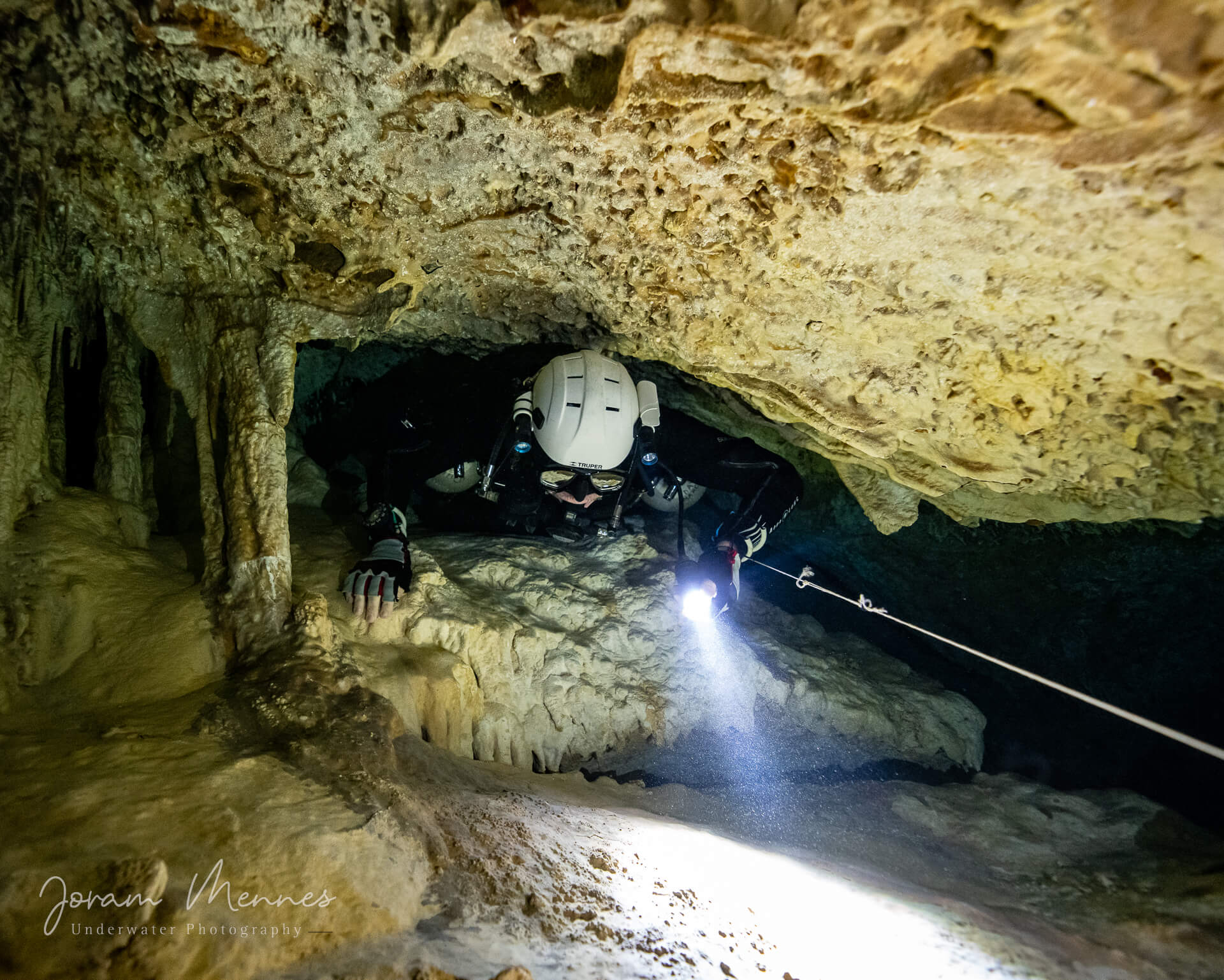
Suffering a catastrophic gas loss, having a cramp, or thinking about being bitten by a shark are all stressors and cause the same psychological and physiological chain reaction, just on different measures.
The term “stressometer” refers to our stress tolerance, before we panic and lose total control of the situation.
Our mind automatically elaborates the information coming from our senses and determines if there is a threat, depending on our survival instinct and the association with past experiences. If we experienced trauma, there is more material in our memory that can link a current situation to a previous negative event. It’s also important to consider that positive experiences of successfully managing stressful events will play a role in our ability to manage a current stressor.
The bigger the stressor, or the more stressors we are exposed to, the faster the stressometer rises. Stressor severity is based on our fear of facing terrible consequences, like drawing or getting lost. The most common additional stressor is time pressure, especially when being short on gas. The worst stressor of all is our perception of our stress level. Stress makes us stress even more, and it will push the stressometer faster than anything else. Fear of failure, performance anxiety, and other insecurities will worsen the situation even more.
Accepting stressors and stress as a normal aspect of our lives is the first step towards stress management. Working on our attitude, commitment to success, and realistic training will do the rest! Avoiding or repressing stress is impossible! Diving accidents are caused by our reaction to a problem, not by the problem itself!
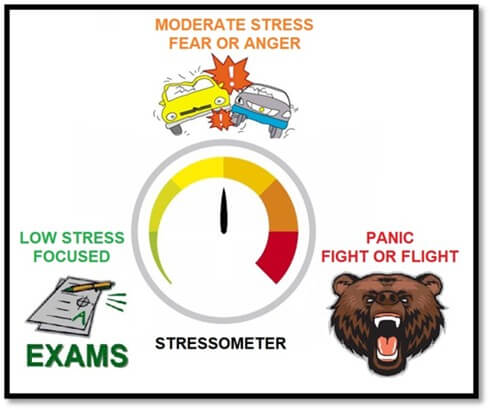
Fig.1 Example of stressometer, stressors, and reaction
PHYSIOLOGY OF STRESS AND THE HPA AXIS
Our nervous system, together with the endocrine system, controls all our functions, and it’s organized in specific areas.
The two systems are so integrated that they are often referred to as the neuroendocrine system.
The autonomic nervous system is the involuntary one, and it’s in charge of our organs. It’s divided into sympathetic and parasympathetic. The parasympathetic system regulates the organs during the rest and digest phase. The sympathetic system causes the metabolic changes during the fight-or-flight, and will keep being in charge until there is no more source of stress.
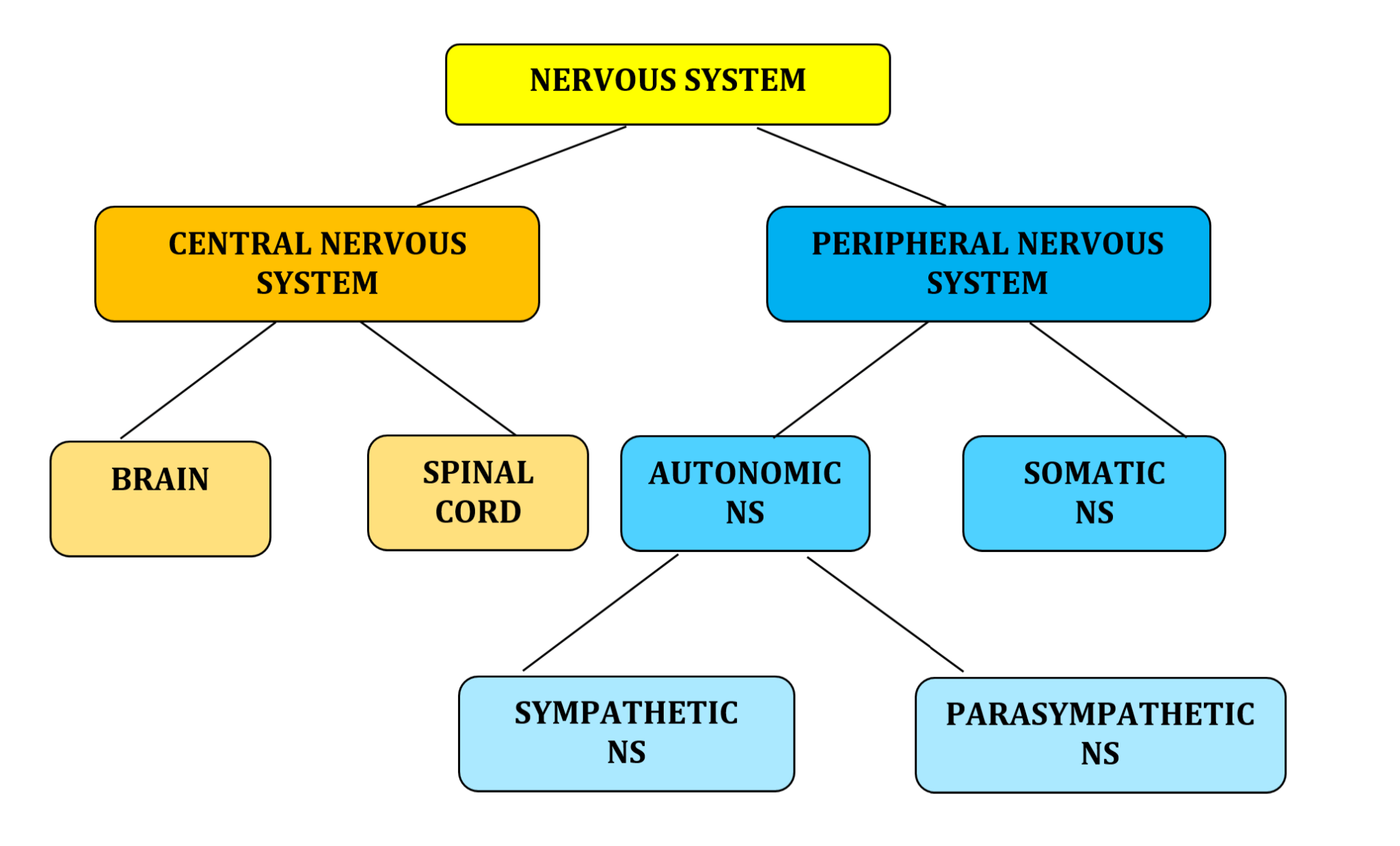
Fig. 2 Components of the nervous system
The HPA axis is a complex of glands that, in this specific context, work together with the sympathetic nervous system to regulate the stress response, causing some significant changes in our body.
When we find ourselves in this state, our body is automatically preparing for action. If the action is fighting, running away, or nothing at all, it depends on our stressometer. The more stressed we are, the more difficult it is to make rational decisions. If the situation degenerates, we could experience panic or anger and extreme aggressiveness.
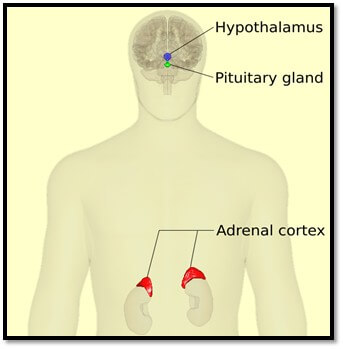
Fig. 3 Position of the HPA glands in the bo
It is important to observe that this mechanism is not triggered only by an imminent risk of death. The risk of discomfort, the idea of personal confrontations, fear of failure, performance anxiety, chronic stress, and other daily life stressors will keep the body on the edge of the fight-or-flight, under the control of the sympathetic nervous system and HPA axis.
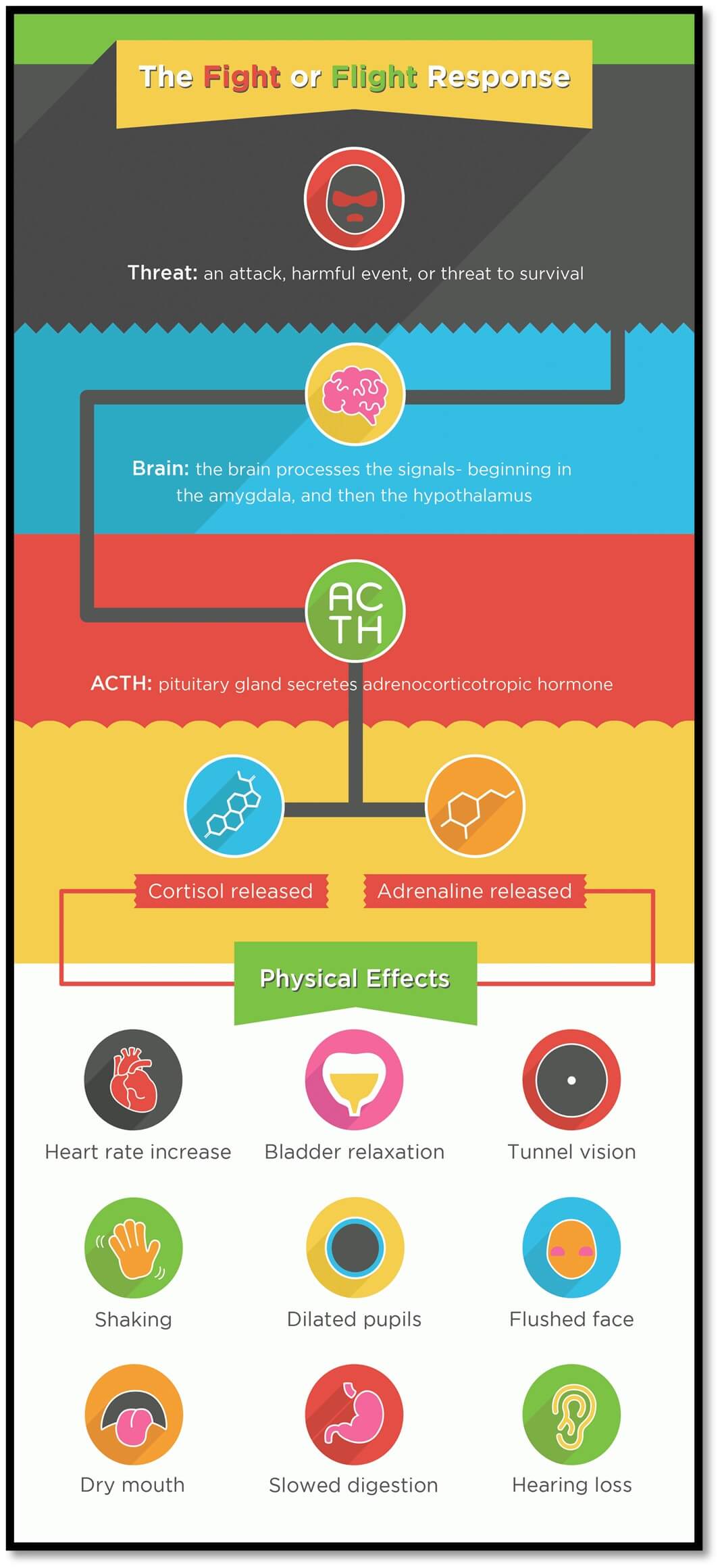
Fig.4 Relationship between fight or flight and HPA axis
Understanding the changes in the body caused by the fight-or-flight is the key to stress management both underwater and in our daily life!
The interaction between the hypothalamus, pituitary gland, and adrenal glands is also known as the hormone cascade because each gland releases specific hormones in the bloodstream that act as a trigger for the next one.
The hormone cascade leads to the release of cortisol and adrenaline from the adrenal glands to redirect the energy where necessary, temporarily reducing other functions.
Adrenaline prepares you for action, causing:
- Acceleration of heart and lung action
- Constriction of blood vessels in many parts of the body and dilation of vessels in the muscles
- Paling or flushing, caused by less blood in the skin, which reduces bleeding in case of injuries
- Liberation of metabolic energy sources like fat, glycogen, and sugar, for muscular action
- Disinhibition of spinal reflexes
- Dilation of the pupil and loss of peripheral vision, to focus on the target
Adrenaline makes us save energy, causing:
- General effects on the sphincters of the body
- Partial inhibition of the digestive apparatus
- Inhibition of the lacrimal gland and salivation
- Relaxation of the bladder
- Inhibition of erection
- Auditory exclusion, partial loss of hearing
Cortisol prepares you for action, causing:
- Transformation of fatty acids into available energy, which prepares muscles for response
Cortisol makes us save energy, causing:
- Suppression of the immune system
- Intoxication of the brain’s prefrontal cortex, reducing rational thinking, which is very energy-consuming
When there is no more source of stress, the body will cease the fight-or-flight, using the same hormone that caused it.
Cortisol is responsible for stopping the hormone cascade by sending a negative feedback to the hypothalamus and pituitary gland, restoring the body’s homeostasis. At this moment, the sympathetic nervous system stops controlling the metabolism, and the parasympathetic system will be in charge.
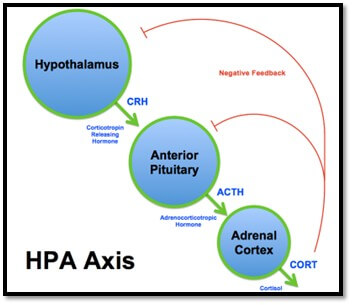
Fig.5 HPA axis hormone cascade and Cortisol feedback
CONCLUSION
When stressed, we become stronger, faster, more resilient, and almost invincible. The only immediate negative effect is the reduced capacity to think rationally. If we manage stress by accepting and understanding its role, we might be able to reduce the stressometer and take rational decisions, while maintaining a high level of physical performance.
This state is known as eustress, and it’s the opposite of distress, which is one step away from panic.
All the negative effects of prolonged stress, such as chronic stress, anxiety, and others, will persist, as the HPA axis and the sympathetic nervous system will keep us in a constant Fight-or-flight. As we can imagine, inability to focus, inhibition of the immune system, reproductive system, and digestive system, will have terrible long-term consequences on our health. Our body is not designed to stay in this readiness state for more than a few minutes.
Stress management in our daily life is important to keep our body and mind healthy. Managing chronic stress is also important for diving. A homeostatic state is ideal for gas saturation and desaturation. Having our stressometer at the minimum and our mind sharp is the best condition for managing problems and avoiding accidents.
The neuroendocrine processes of the hormone cascade and consequent negative feedback make us understand that we cannot reduce the negative effects of prolonged stress by addressing the symptoms, but by changing our perception of the stressors. Stress management starts with the acceptance and understanding of this important dynamic, not with repression, shame, and tons of medicines!